
Our Product Range

High-performance polymer solutions for industrial, automotive, electrical, and commercial applications.
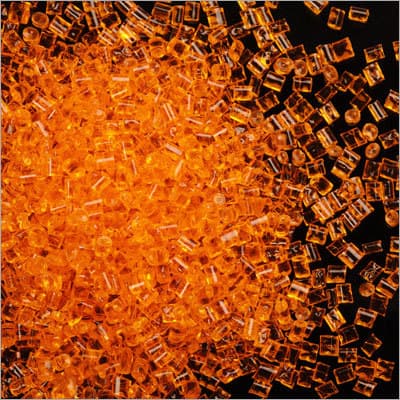
PMMA Amber

PMMA Amber

1. What the product is

PMMA stands for Polymethyl Methacrylate, a transparent thermoplastic also known as acrylic or plexiglass.

PMMA Amber is an amber-colored (yellow/orange tint) PMMA material used in sheets, rods, tubes, or molded parts.
2. Obligation (Is it mandatory?)

  • Not a regulatory or mandatory product on its own
  • Required only if specified in a contract, design standard, or industry requirement

3. Uses (Why it’s used)

  • Lightcovers & lenses (indicator lights, signal lamps)
  • UVfiltering applications
  • Automotiveindicator parts
  • Electronicsdisplay covers
  • Medical& lab equipment
  • Decorative& architectural elements
  • Safetyshields and machine guards

4. Level where the product is used

  • Manufacturing / Industrial level – primary
  • Business / Commercial level
  • Product / Component level
  • Occasional consumer / DIY usage
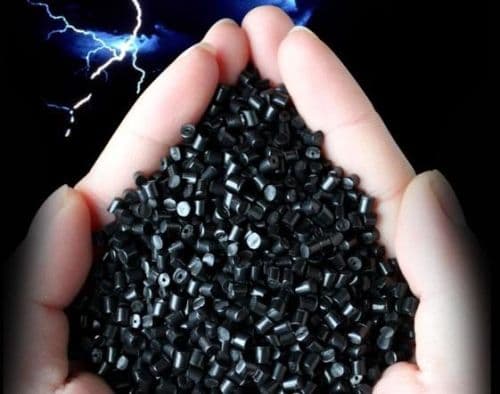
PBT Glass Filled 10% Black

PBT Glass Filled 10% Black

1. What the product is

PBT (Polybutylene Terephthalate) is an engineering thermoplastic known for strength, dimensional stability, and electrical insulation.

Glass-filled 10% means the material contains 10% glass fibers, which improve stiffness and strength.

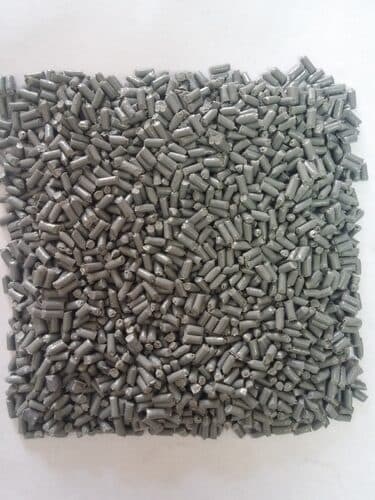
Black pigmentation often enhances UV resistance and durability.

Overall, this is a reinforced engineering plastic used for durable, precision components.
2. Obligation (Is it mandatory?)

  • Used based on design and performance requirements, not regulation
  • Becomes obligatory only if specified in OEM or customer drawings
  • Required in automotive or electrical component specifications
  • May be mandated by contracts or technical datasheets

3. Uses (Why it’s used)

  • Electricalconnectors and terminals
  • Switchhousings
  • Sensorhousings
  • Automotivecomponents (clips, brackets, under-hood parts)
  • Applianceparts
  • Industrialmechanical parts

4. Level where the product is used

  • Component / Part level – primary usage
  • Manufacturing / Industrial level
  • Business / Enterprise level – OEMs and suppliers
PC – ABS (Natural)

PC – ABS (Natural)

1. What the product is

PC-ABS is a thermoplastic blend of Polycarbonate (PC) and Acrylonitrile Butadiene Styrene (ABS).

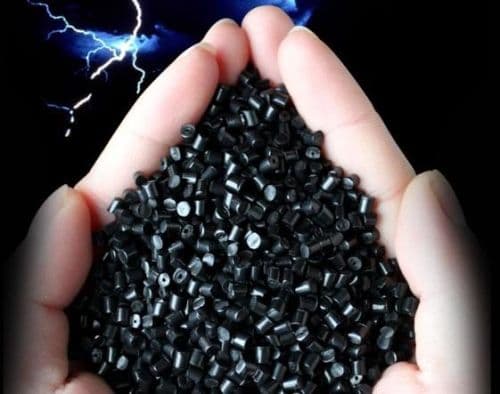
Natural means the material is uncolored (off-white / translucent / beige), straight from the resin without added pigments.
2. Obligation (Is it mandatory?)

  • Used by specification, not regulation
  • Compliance may be indirect (fire ratings like UL94, impact standards)
  • The material itself is not mandated by law

3. Uses (Why it’s used)

  • Electronichousings & enclosures (laptops, printers, routers)
  • Automotiveinterior parts (dashboards, trims, panels)
  • Consumerappliances (TV frames, washing machine panels)
  • Medicaldevice housings
  • Electricalcomponents
  • Industrialequipment covers

4. Level where the product is used

  • Product / Component level – core application
  • Manufacturing / Industrial level – injection molding & fabrication
  • Business / Enterprise level – OEMs, Tier-1 suppliers
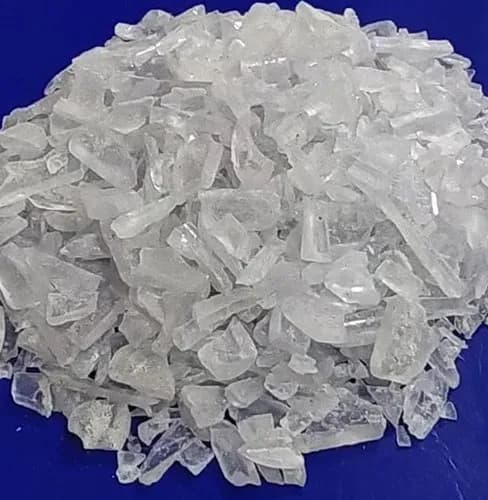
ABS Glass Filled 20% Natural

ABS Glass Filled 20% Natural

1. What the product is

ABS (Acrylonitrile Butadiene Styrene) with 20% glass fiber reinforcement.

Natural means the material is uncolored (off-white / milky / beige), straight from the base resin.

Compared to standard ABS, this grade is much stiffer and stronger due to the glass fibers.
2. Obligation (Is it mandatory?)

  • Used by technical specification, not regulation
  • Becomes obligatory only if mentioned in customer or OEM drawings
  • Required when specified in product design specifications
  • May be mandated by contracts or industry standards
  • Obligation usually comes from performance requirements (strength, stability, tolerances)

3. Uses (Why it’s used)

  • Automotiveinterior and functional parts
  • Electricaland electronic housings
  • Appliancestructural components
  • Industrialbrackets and supports
  • Machinecovers and frames
  • Prototypeor base material for later coloring

4. Level where the product is used

  • Component / Part level – primary usage
  • Manufacturing / Industrial level – injection molding
  • Business / Enterprise level – OEMs, Tier-1 suppliers
  • Not a consumer-level product
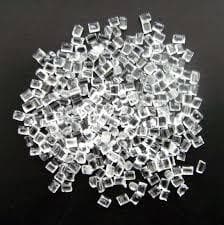
SAN Glass Filled 20% Natural

SAN Glass Filled 20% Natural

1. What the product is

SAN (Styrene Acrylonitrile) is a rigid, transparent-to-translucent thermoplastic known for clarity, stiffness, and chemical resistance.

Glass-filled 20% means 20% glass fibers are added to increase strength and rigidity.

Natural indicates no added color (off-white / translucent base material).
2. Obligation (Is it mandatory?)

  • Used only if specified in product design requirements
  • May be required by customer or OEM material specifications
  • Can be mandated through contractual agreements
  • No regulatory obligation unless a drawing or standard explicitly calls for it

3. Uses (Why it’s used)

  • Electricaland electronic components
  • Applianceparts
  • Precisionhousings
  • Structuralplastic parts
  • Chemical-resistantcomponents
  • Transparentor lightly tinted technical parts (before reinforcement)

4. Level where the product is used

  • Component / Part level – main usage
  • Manufacturing / Industrial level – injection molding
  • Business / Enterprise level – OEM and industrial applications
  • Not a consumer-level material
PC FR V-0 (Siemens Grey)

PC FR V-0 (Siemens Grey)

1. What the product is

PC (Polycarbonate) is a strong, impact-resistant thermoplastic widely used in industrial and electrical applications.

FR indicates Flame Retardant properties.

V-0 refers to UL 94 V-0 flammability rating, the highest fire safety standard with self-extinguishing behavior and no flaming drips.

Siemens Grey means the material is pre-colored to match Siemens industrial standards for electrical enclosures and equipment.
2. Obligation (Is it mandatory?)

  • Effectively mandatory when specified by Siemens or OEM electrical standards
  • Required for UL / IEC / CE fire safety compliance in industrial panels
  • Mandatory if customer drawings or specifications demand UL94 V-0 rating
  • Practically required for Siemens-compatible enclosures and regulated electrical housings

3. Uses (Why it’s used)

  • Electricalenclosures (switchgear, control panels)
  • Industrialautomation housings
  • Breakerand switch covers
  • Telecomand IT equipment panels
  • High-voltageor high-temperature industrial components

4. Level where the product is used

  • Component / Enclosure level – primary usage
  • Manufacturing / Industrial level – injection molding and fabrication
  • Enterprise / OEM level – electrical, automation, industrial equipment
  • Used in regulated environments with fire-safety compliance audits
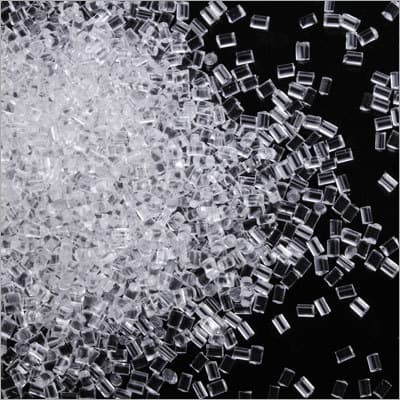
PMMA Natural

PMMA Natural

1. What the product is

PMMA (Polymethyl Methacrylate) is also known as acrylic or plexiglass.

Natural means the material is uncolored, clear, and transparent.

It is a lightweight, rigid thermoplastic with excellent optical clarity.
2. Obligation (Is it mandatory?)

  • Used when transparency, aesthetics, or UV resistance is required
  • May be specified in design drawings, OEM standards, or contracts
  • Not mandatory by law

3. Uses (Why it’s used)

  • Opticallenses, light covers, and display panels
  • Signageand advertising (acrylic boards)
  • Decorativepanels and furniture
  • Medicaland laboratory equipment requiring transparency
  • Protectiveshields and machine guards
  • DIYand prototyping applications

4. Level where the product is used

  • Component / Part level – primary usage
  • Manufacturing / Industrial level – cutting, molding, extrusion
  • Business / Enterprise level – signage, displays, enclosures
  • Occasional consumer / DIY usage
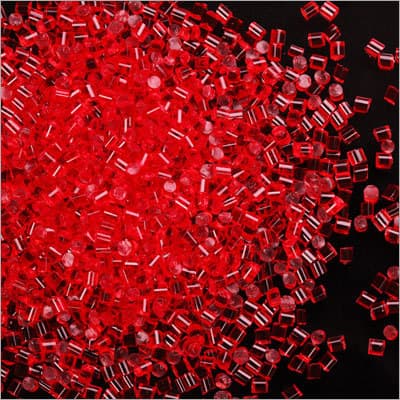
PMMA Red

PMMA Red

1. What the product is

PMMA (Polymethyl Methacrylate) is also known as acrylic or plexiglass.

Red indicates the material is colored using red pigment.

It is a rigid, colored acrylic material available as sheets, rods, or molded parts.

It retains PMMA’s lightweight structure and transparent to semi-transparent properties while adding red color.

2. Obligation (Is it mandatory?)

  • Used based on design, aesthetic, or functional requirements
  • May be specified in drawings or product standards where red color is required
  • Commonly required for indicator panels or signal light applications
  • Not mandatory by law

3. Uses (Why it’s used)

  • Signallights and indicator covers (red lenses)
  • Decorativepanels and signage
  • Automotiveindicator panels
  • Electronicequipment indicator covers
  • Architecturaland display features
  • Protectiveshields or covers where color coding is required

4. Level where the product is used

  • Component / Part level – primary usage
  • Manufacturing / Industrial level – cutting, molding, extrusion
  • Business / Enterprise level – signage, electronics, automotive, architecture
  • Occasional consumer / DIY usage
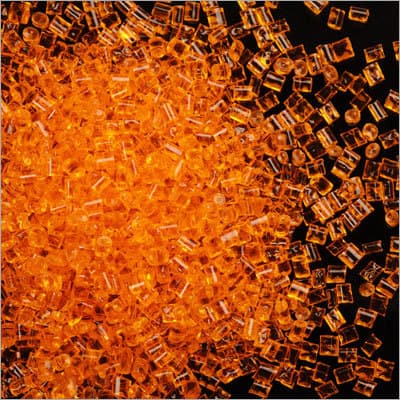
PMMA Amber

PMMA Amber

1. What the product is

PMMA (Polymethyl Methacrylate) is also known as acrylic or plexiglass.

Amber indicates the material is colored with an amber (yellow/orange) tint.

It is a rigid, tinted acrylic material with the same base properties as standard PMMA.

Amber tint can provide light filtering along with aesthetic appeal.
2. Obligation (Is it mandatory?)

  • Used based on design or functional requirements
  • Often specified in drawings or standards where amber color or UV filtering is needed
  • Not mandatory by law

3. Uses (Why it’s used)

  • Indicatorlights and lenses (amber signaling)
  • Automotiveapplications such as turn signals and dashboard indicators
  • Decorativepanels and architectural elements
  • Machineguards or protective covers with tinted visibility
  • Displaypanels requiring amber aesthetics

4. Level where the product is used

  • Component / Part level – primary usage
  • Manufacturing / Industrial level – molding, extrusion, fabrication
  • Business / Enterprise level – automotive, electronics, signage, architecture
  • Occasional consumer / DIY usage
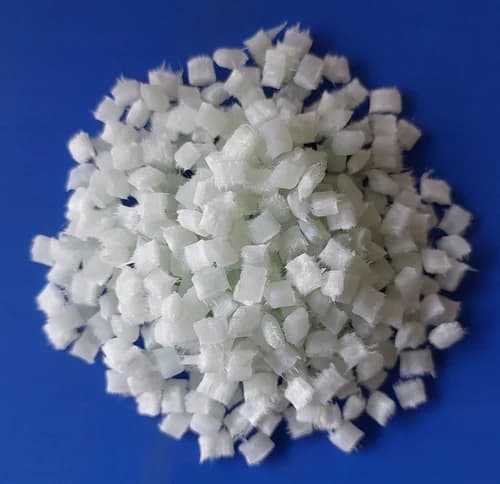
PP Glass Filled 30% Natural

PP Glass Filled 30% Natural

1. What the product is

PP (Polypropylene) is a common thermoplastic known for chemical resistance and flexibility.

Glass-filled 30% means the material contains 30% glass fibers, which significantly increase stiffness, strength, and dimensional stability.

Natural indicates the material is uncolored (off-white / beige) in its base resin form.

Overall, this is a reinforced polypropylene material that is much stronger and stiffer than standard PP.
2. Obligation (Is it mandatory?)

  • Used based on design and performance requirements
  • Mandatory only if specified in OEM drawings or industrial equipment specifications
  • May be required by product standards or technical documentation

3. Uses (Why it’s used)

  • Automotiveparts (under-hood components, battery trays, brackets)
  • Industrialcomponents (structural supports, housings, covers)
  • Applianceparts (mounting brackets, frames)
  • Chemical-resistantequipment
  • Pipefittings and mechanical parts

4. Level where the product is used

  • Component / Part level – primary usage
  • Manufacturing / Industrial level – injection molding or extrusion
  • Business / Enterprise level – automotive, industrial, appliance OEMs
  • Rarely used at consumer level
PP Glass Filled 30% Natural

PP Glass Filled 30% Natural

1. What the product is

PP (Polypropylene) is a common thermoplastic known for chemical resistance and flexibility.

Glass-filled 30% means the material contains 30% glass fibers, which significantly increase stiffness, strength, and dimensional stability.

Natural means the material is uncolored (off-white / beige) in its base resin form.

This is a reinforced polypropylene material that is much stronger and stiffer than standard PP.

2. Obligation (Is it mandatory?)

  • Used based on design and performance requirements
  • Mandatory only if specified in OEM drawings or industrial equipment specifications
  • May be required by product standards or technical documentation

3. Uses (Why it’s used)

  • Automotiveparts (under-hood components, battery trays, brackets)
  • Industrialcomponents (structural supports, housings, covers)
  • Applianceparts (mounting brackets, frames)
  • Chemical-resistantequipment
  • Pipefittings and mechanical parts

4. Level where the product is used

  • Component / Part level – primary usage
  • Manufacturing / Industrial level – injection molding or extrusion
  • Business / Enterprise level – automotive, industrial, appliance OEMs
  • Rarely used directly by consumers